

Tattoo Lightening for Cover-Ups: What to Know

When you want to change or improve an existing tattoo, lightening the old ink can make a big difference. Tattoo lightening for cover-ups helps create a better base for new designs. It allows artists to work with a lighter canvas, making the new tattoo clearer and more vibrant. This process is especially useful if your current tattoo is dark or dense.
Lightening a tattoo is not the same as removing it completely. It reduces the intensity of the ink so that the cover-up can blend well. If you live in Michigan and want to update your tattoo, understanding how tattoo lightening works can help you make the right choice.
Understanding Lightening Tattoos for Cover-Ups
Tattoo lightening involves breaking down the ink particles in your skin. This is usually done with laser treatments. The laser targets the tattoo ink and shatters it into smaller pieces. Your body then removes these pieces naturally over time.
The goal is to fade the tattoo enough to allow a new design to cover it effectively. Without lightening, the old tattoo might show through the new one, causing colors to mix or designs to blur.
Here are some key points about lightening tattoos for cover-ups:
Multiple sessions are often needed. The number depends on the tattoo’s size, color, and age.
Laser type matters. Different lasers work better on certain ink colors.
Skin type affects results. Darker skin tones may require special care to avoid damage.
Healing time is important. You need to wait between sessions for your skin to recover.
If you want to cover a tattoo with a new design, lightening the old one first can improve the final look. It also gives your tattoo artist more freedom to create.

How Does Tattoo Lightening Work?
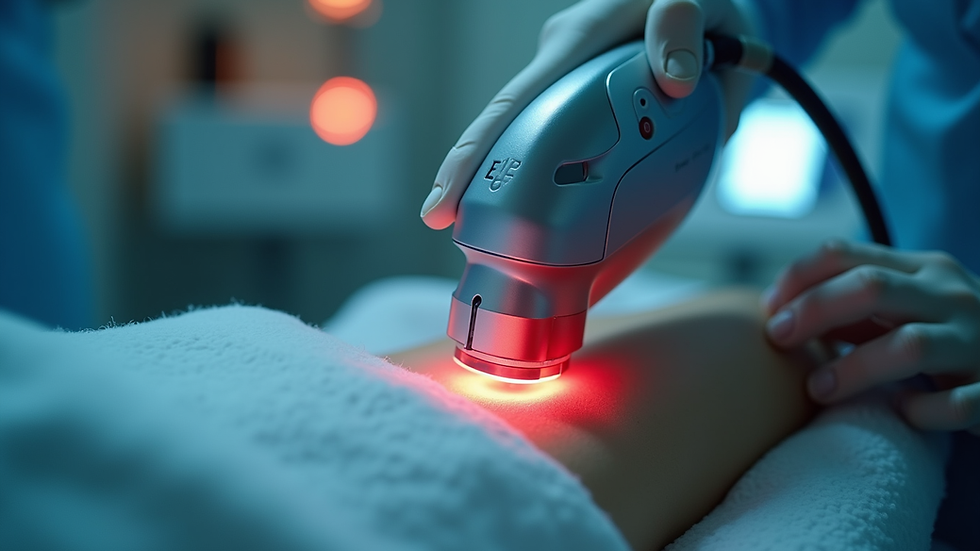
Laser tattoo lightening uses high-intensity light beams. These beams pass through the skin and target the ink particles. The ink absorbs the light and breaks apart. Your immune system then clears the broken ink pieces.
The process is precise. It targets the ink without harming the surrounding skin. However, some redness and swelling are normal after treatment.
The most common lasers used are Q-switched lasers. They emit short pulses of light that are strong enough to break ink but safe for skin.
Here’s what to expect during a session:
The technician cleans the tattoo area.
Protective eyewear is worn by both you and the technician.
The laser device is applied to the tattoo.
You may feel a snapping or stinging sensation.
After treatment, the area is cooled and treated with ointment.
Sessions usually last 15 to 30 minutes depending on tattoo size. You will need to wait 6 to 8 weeks between sessions to allow healing.
Can you lighten a tattoo that's too dark?
Yes, you can lighten a tattoo that is too dark. Dark tattoos often need more sessions to fade enough for a cover-up. The laser breaks down the dense ink layers gradually.
If a tattoo is very dark or has black ink, it usually responds well to laser lightening. However, some colors like green or blue can be harder to lighten.
It is important to have realistic expectations. Lightening a dark tattoo takes time and patience. You may not get complete fading, but enough to improve the cover-up.
Your technician will assess your tattoo and recommend a treatment plan. They will explain how many sessions you might need and what results to expect.

Preparing for Tattoo Lightening Sessions
Before starting tattoo lightening, you should prepare your skin and body. Here are some tips:
Avoid sun exposure. Tanned or sunburned skin can increase risks during laser treatment.
Keep the tattoo clean and moisturized. Healthy skin heals better.
Avoid certain medications. Some drugs can increase sensitivity to light.
Discuss your medical history. Inform your technician about any skin conditions or allergies.
Stay hydrated and rest well. Your body heals faster when it is healthy.
During the consultation, ask about the laser type, number of sessions, and aftercare. Knowing what to expect helps you plan and reduces anxiety.
Aftercare and What to Expect Post-Treatment
After each lightening session, your skin needs care to heal properly. Follow these steps:
Keep the area clean and dry. Use mild soap and water.
Apply recommended ointments. These help prevent infection and soothe skin.
Avoid picking or scratching. This can cause scarring.
Stay out of the sun. Use sunscreen if you must go outside.
Wear loose clothing. Tight clothes can irritate the treated area.
You may notice redness, swelling, or slight blistering. These symptoms usually fade within a few days.
Avoid swimming pools, hot tubs, and heavy exercise for at least a week after treatment. These activities can slow healing or cause infection.
Is Tattoo Lightening Safe?
Tattoo lightening with lasers is generally safe when done by trained professionals. The technology has improved over the years to minimize risks.
Possible side effects include:
Temporary redness and swelling
Mild blistering or scabbing
Changes in skin color (usually temporary)
Rarely, scarring or infection
Choosing a reputable clinic with experienced technicians reduces risks. They will use medical-grade equipment and follow safety protocols.
If you live in Michigan and want a safe, affordable option, look for clinics that specialize in tattoo removal and lightening. They can guide you through the process with care.
Moving Forward with Your Cover-Up Tattoo
Once your tattoo is lightened enough, you can plan your cover-up. Talk to your tattoo artist about the new design. Show them the faded tattoo so they can work with the lighter base.
Cover-ups work best when the old tattoo is not too dark. Lightening helps achieve this. It also allows for more color choices and sharper lines.
Remember, cover-ups may still require some creativity. Not all tattoos can be fully hidden, but lightening improves the chances.
If you want to learn more about tattoo lightening for cover up, check out professional resources or consult with a specialist.
Taking the Next Step
If you have an unwanted tattoo in Michigan, lightening it for a cover-up is a smart option. It helps you get the look you want without starting from scratch.
Look for clinics that offer medical-grade laser treatments. Ask about their experience and success rates. Make sure you understand the process, costs, and aftercare.
With the right approach, you can transform your old tattoo into a new piece you love. Tattoo lightening is a valuable step in that journey.
Start by scheduling a consultation. This will give you a clear plan and set expectations. Then, you can move forward confidently with your cover-up tattoo.
This information aims to help you make informed decisions about tattoo lightening and cover-ups. Safe and effective treatments are available to help you move on from unwanted ink.


Comments