

The Tattoo Removal Recovery Stages: What to Expect

Removing a tattoo is a big decision. It involves more than just the procedure itself. Understanding the tattoo removal recovery stages helps you prepare for what comes next. This knowledge can make the process smoother and less stressful.
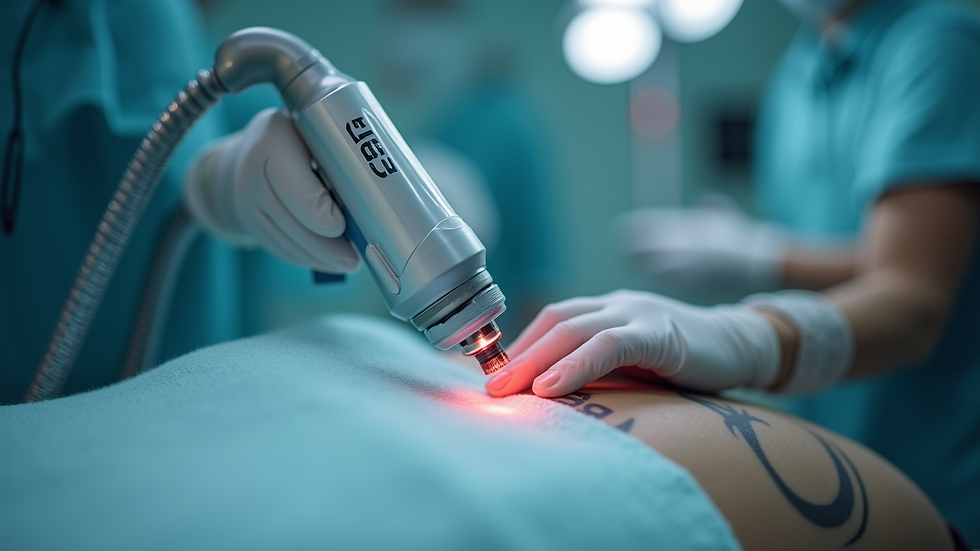
Tattoo removal is a medical procedure. It uses laser technology to break down the ink particles in your skin. Your body then clears these particles naturally. The healing process after each session is important for good results and to avoid complications.
Understanding the Tattoo Removal Recovery Stages
The recovery after tattoo removal happens in several stages. Each stage has its own signs and care instructions. Knowing these stages helps you manage your expectations and take proper care of your skin.
Immediate Reaction
Right after the laser session, your skin looks red and swollen. This is normal. The area may feel warm or slightly tender. You might see some pinpoint bleeding or blistering. This shows the laser is working to break up the ink.
Scabbing and Peeling
Within a few days, the treated area forms scabs. These scabs protect the skin as it heals. Avoid picking or scratching them. The skin may also peel like a sunburn. This is part of the natural healing.
Fading and Lightening
Over the next few weeks, the tattoo starts to fade. Your immune system removes the broken ink particles. The skin may look lighter or patchy during this time.
Full Healing
Complete healing can take 4 to 8 weeks or longer. The skin regains its normal texture and color. You can then schedule the next laser session if needed.
During these stages, it is important to keep the area clean and moisturized. Avoid sun exposure and follow your provider’s instructions carefully.

Key Tips for Each Tattoo Removal Recovery Stage
Proper care during each stage speeds up healing and reduces risks. Here are some practical tips:
Right after treatment:
- Apply a cold compress to reduce swelling.
- Use a gentle, fragrance-free moisturizer.
- Avoid tight clothing over the area.
During scabbing and peeling:
- Do not pick at scabs or peel skin.
- Keep the area clean with mild soap and water.
- Avoid swimming or soaking the area.
While fading occurs:
- Protect the skin from sun exposure with clothing or sunscreen.
- Continue moisturizing to prevent dryness.
- Watch for signs of infection like increased redness or pus.
Before next session:
- Ensure the skin is fully healed.
- Discuss any concerns with your provider.
- Follow their advice on timing between sessions.
These steps help your skin recover well and improve the overall outcome of tattoo removal.
Who Spent $200,000 to Remove Tattoos?
Some people invest a lot in tattoo removal. For example, there are cases where individuals have spent up to $200,000 to remove multiple tattoos. This high cost often comes from many sessions over several years. It shows how serious some people are about removing unwanted ink.
The cost depends on factors like tattoo size, color, and age. Older tattoos or those with multiple colors may require more sessions. Each session needs time to heal before the next one. This adds to the total time and expense.
Knowing this helps set realistic expectations. Tattoo removal is a process, not a quick fix. Planning your budget and timeline is important.
What Happens During the Tattoo Removal Healing Process?
The tattoo removal healing process involves your body’s natural response to the laser treatment. The laser breaks the ink into tiny particles. Your immune system then removes these particles over time.
This process causes the skin to react. You may see redness, swelling, and blistering. These are signs that the body is working to clear the ink. The skin forms scabs to protect itself. Peeling follows as new skin grows.
Healing also depends on your health and skin type. Some people heal faster than others. Following aftercare instructions is key to avoid infection and scarring.
If you notice unusual symptoms like severe pain, excessive swelling, or pus, contact your provider immediately. These could be signs of complications.
Managing Pain and Discomfort During Recovery
Pain levels vary from person to person. Most people describe the laser treatment as uncomfortable but tolerable. After treatment, the area may feel sore or itchy.
Here are ways to manage discomfort:
Use cold compresses to reduce swelling and pain.
Take over-the-counter pain relievers like ibuprofen if needed.
Avoid scratching or rubbing the area.
Wear loose clothing to prevent irritation.
If pain worsens or lasts longer than expected, talk to your provider. They can check for any issues and suggest treatments.
Final Thoughts on Tattoo Removal Recovery Stages
Understanding the tattoo removal recovery stages helps you prepare for the journey. It is a gradual process that requires patience and care. Following aftercare instructions and protecting your skin are essential.
If you live in Michigan and want safe, effective tattoo removal, choose a professional clinic. Medical-grade services ensure the best results with minimal risks. Remember, tattoo removal is a step toward a fresh start. Taking care of your skin during recovery makes that step easier.
By knowing what to expect and how to care for your skin, you can confidently move forward with your tattoo removal journey.


Comments