

Understanding Blistering During Tattoo Healing

Tattoo removal is a popular choice for many who want to erase unwanted ink. However, the process can come with side effects. One common issue is blistering during tattoo healing. This reaction can be alarming if you are not prepared for it. In this post, I will explain what causes blistering, how to care for it, and what to expect during recovery.
What Causes Blistering During Tattoo Healing?
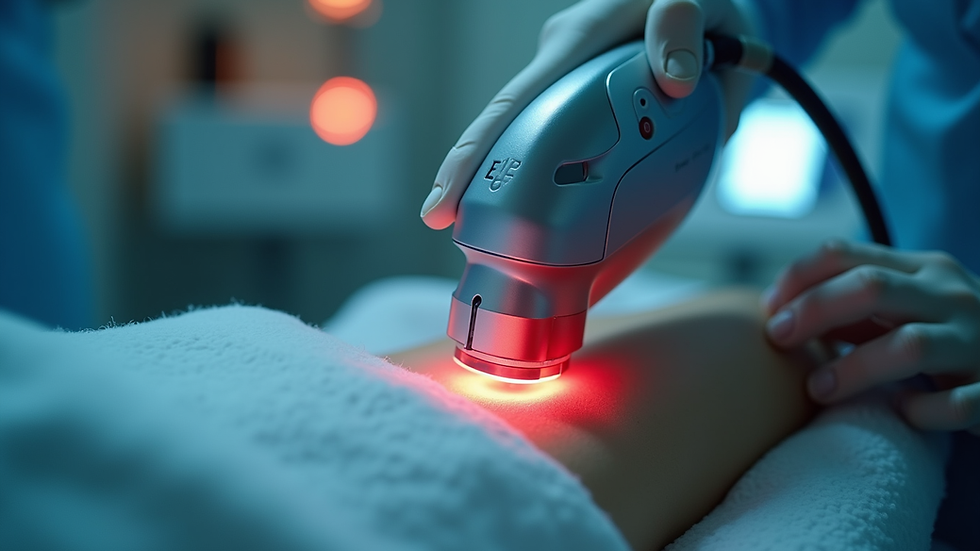
Blistering happens when the skin reacts to the laser treatment used in tattoo removal. The laser targets the ink particles, breaking them down so the body can remove them. This process heats the skin and can cause damage to the outer layers. The body responds by forming blisters as a protective measure.
Blisters are small pockets of fluid that form between the skin layers. They help protect the damaged skin underneath while it heals. The size and number of blisters vary depending on the laser intensity, skin type, and tattoo size.
It is important to understand that blistering is a normal part of the healing process for some people. However, excessive blistering or blisters that do not heal properly may require medical attention.

Recognizing Blistering During Tattoo Healing
Knowing what blistering looks like can help you manage it better. After a tattoo removal session, you might notice redness and swelling around the treated area. Within a day or two, small blisters may appear. These blisters are usually clear or slightly yellowish.
The skin around the blisters may feel tender or itchy. It is important not to pop or pick at the blisters. Doing so can increase the risk of infection and scarring.
If you notice any signs of infection, such as increased redness, pus, or severe pain, contact your healthcare provider immediately.
How to Treat Tattoo Removal Blisters Naturally?
Treating blisters properly helps speed up healing and reduces discomfort. Here are some natural ways to care for blisters after tattoo removal:
Keep the area clean - Gently wash the area with mild soap and water. Avoid harsh scrubbing.
Apply a cool compress - Use a clean, damp cloth to reduce swelling and soothe the skin.
Use a protective ointment - Applying a thin layer of petroleum jelly or a natural healing ointment can keep the skin moist and prevent cracking.
Avoid tight clothing - Wear loose clothes to prevent irritation and allow the skin to breathe.
Do not pop blisters - Let them heal on their own to avoid infection.
Stay out of the sun - Protect the area from direct sunlight to prevent further damage.
Following these steps can help your skin heal smoothly and reduce the risk of complications.

What to Expect During the Healing Process
Healing after tattoo removal takes time. Blisters usually form within 24 to 48 hours after treatment and may last for several days. As the blisters dry up, they will form scabs. It is important to let the scabs fall off naturally.
During this time, the skin may feel dry, itchy, or sensitive. Avoid scratching or picking at the area. Keep the skin moisturized and protected.
Most people see improvement within two weeks. However, complete healing can take longer depending on the size and location of the tattoo, as well as individual skin response.
If you follow the aftercare instructions carefully, you can minimize discomfort and reduce the chance of scarring.
When to Seek Medical Advice
While blistering is common, some situations require professional help. Contact your healthcare provider if you experience:
Blisters that are very large or painful
Signs of infection such as pus, increased redness, or warmth
Fever or chills
Blisters that do not heal after two weeks
Early treatment can prevent complications and ensure proper healing.
For those in Michigan looking for safe and effective tattoo removal, professional clinics like No Regerts Tattoo Removal provide medical-grade services. They offer expert care to help you manage side effects like blistering during tattoo healing.
If you want to learn more about blistering after tattoo removal, check out trusted resources or consult with a specialist.
Moving Forward After Tattoo Removal
Understanding the healing process helps you prepare for what comes next. Blistering during tattoo healing is a sign that your skin is working to repair itself. With proper care, you can support this process and reduce discomfort.
Remember to follow all aftercare instructions from your tattoo removal provider. Keep the area clean, avoid irritants, and protect your skin from the sun.
If you have any concerns, do not hesitate to reach out to your provider. They can offer guidance and support to ensure the best results.
Tattoo removal is a journey. Taking care of your skin during healing helps you move forward confidently without unwanted ink.


Comments