

Understanding the Safety of Laser Tattoo Removal

Removing a tattoo is a big decision. Many people want to erase unwanted ink for personal or professional reasons. Laser tattoo removal is the most common method used today. But before starting, it is important to understand the safety aspects of this procedure. I will explain how laser tattoo removal works, its safety, who should avoid it, and what to expect during and after treatment.
How Laser Tattoo Removal Works and Its Safety
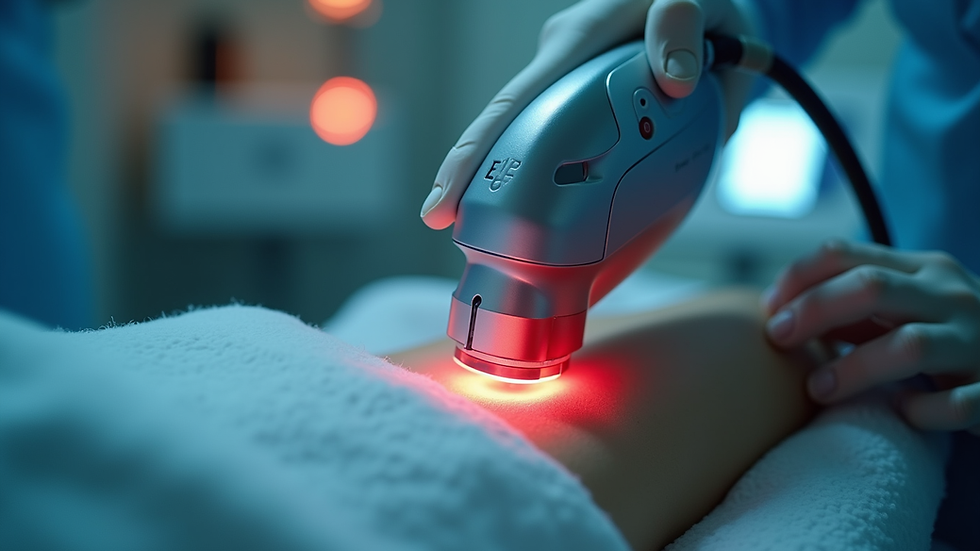
Laser tattoo removal uses focused light beams to break down tattoo ink particles under the skin. The body then naturally removes these smaller particles over time. This process requires multiple sessions spaced weeks apart.
The safety of laser tattoo removal depends on several factors:
The type of laser used
The skill of the technician or medical professional
The size, color, and location of the tattoo
The patient’s skin type and health
Medical-grade lasers are designed to target ink without damaging surrounding skin. When performed by trained professionals, the risk of serious side effects is low. Common side effects include redness, swelling, and mild discomfort, which usually go away within a few days.
It is important to follow all aftercare instructions to avoid infection or scarring. Using sunscreen on the treated area is also crucial to prevent pigmentation changes.

Who Shouldn't Get Tattoo Removal?
Laser tattoo removal is not suitable for everyone. Certain conditions and situations increase the risk of complications or reduce the effectiveness of treatment. People who should avoid laser tattoo removal include:
Those with active skin infections or open wounds near the tattoo
Individuals with certain skin conditions like psoriasis or eczema in the treatment area
Pregnant or breastfeeding women, as safety has not been fully established
People with a history of keloid scarring or poor wound healing
Individuals taking medications that increase photosensitivity or affect healing
If you have any chronic health issues or skin concerns, consult a dermatologist or medical professional before starting treatment. A thorough evaluation helps ensure safety and the best possible results.
What to Expect During and After Laser Tattoo Removal
Each laser tattoo removal session usually lasts 15 to 30 minutes, depending on the tattoo size. You may feel a snapping or stinging sensation during treatment. Some clinics apply a numbing cream to reduce discomfort.
After the session, the treated area may look red and swollen. Blistering or scabbing can occur but should heal within 1 to 2 weeks. It is important to keep the area clean and avoid picking at scabs.
Multiple sessions are needed to fully remove a tattoo. The number varies based on tattoo color, depth, and ink type. Black and dark blue inks respond best, while lighter colors like green and yellow may require more treatments.
Avoid sun exposure and tanning beds during the removal process. UV rays can cause pigmentation changes and slow healing.

Risks and Side Effects to Consider
While laser tattoo removal is generally safe, it carries some risks:
Skin discoloration: Treated skin may become lighter or darker temporarily or permanently.
Scarring: Rare but possible, especially if aftercare is not followed.
Infection: Can occur if the area is not kept clean or if scabs are picked.
Incomplete removal: Some tattoos may not fully disappear, especially if ink is deep or colors are difficult to treat.
Choosing a reputable clinic with experienced staff reduces these risks. Always ask about the type of laser used and the provider’s qualifications.
Making an Informed Decision About Tattoo Removal
If you are considering tattoo removal, gather all the facts. Ask questions about the procedure, costs, number of sessions, and expected results. Understand the commitment involved and the importance of aftercare.
For those in Michigan, finding a clinic that offers medical-grade laser removal in a professional setting is key. Affordable options exist that do not compromise safety or quality.
If you want to learn more about the safety of laser tattoo removal, you can visit this link for detailed information.
Taking the time to research and consult with professionals will help you confidently move forward with tattoo removal.
What Happens After You Complete Your Sessions?
Once you finish your laser tattoo removal sessions, your skin will continue to heal and improve. It is normal for the area to remain slightly pink or sensitive for a few weeks. Continue to protect your skin from the sun and avoid harsh chemicals or abrasive treatments.
Some people may need touch-up sessions months later to address any remaining ink. Keep in mind that complete removal is not guaranteed, but most see significant fading.
Maintaining realistic expectations and following professional advice ensures the best outcome. Remember, the goal is safe and effective removal, not just quick results.
Laser tattoo removal is a safe and effective way to erase unwanted tattoos when done properly. Understanding the process, risks, and aftercare helps you make the best choice for your skin and health. If you live in Michigan and want to explore your options, look for trusted providers who prioritize safety and quality.


Comments